


ISSUES

Feeding The Community
-
In 2024, 47.4 million people in the U.S. will have limited or uncertain access to enough food
-
Although two-thirds of people in the United States acquire an income above the federal poverty line, more than 47 million experience hunger. With 47 million facing hunger, 13.8 million of those individuals are categorized as children.
-
Due to the federal poverty line, many individuals that experience a shortage of food do not qualify for federal nutrition program and need to rely on their local food banks or other hunger relief organizations for support.
-
There is not a certain type of person hunger can affect. Hunger affects people from all walks of life, especially children and our elderly community.

Financial Security
-
Women face unique challenges when planning for their families and building a solid foundation for the future. Through growing life expectancy, being a caretaking, and continuous fighting of closing the wage gap, the majority of women at some point in their lives will be solely responsible for their family’s long-term financial decision
-
Since women tend to outlive men, women must be prepared for their investment and savings to last longer through retirement
-
In the U.S, approximately 35% of women are expected to leave the workforce at some point to be a caregiver for a child or aging parent, compared with only 20% of men.
-
Women are not as confident as men when it comes to investing.
Nutrient
-
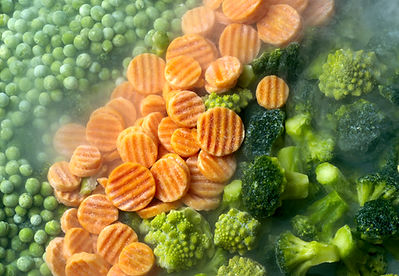
Access to nutritious food plays a critical role in both physical health and overall well-being. Research consistently shows that individuals with diets rich in essential nutrients experience better health outcomes, including reduced risk of chronic diseases such as diabetes, heart disease, and obesity.
-
Proper nutrition also has a direct impact on mental well-being. Studies indicate that balanced diets can improve energy levels, support brain function, and reduce stress and anxiety. For individuals and families facing food insecurity, limited access to healthy options often leads to poorer health outcomes over time.
-
Understanding nutrition is just as important as access to food. When individuals are equipped with practical knowledge about balanced meals and healthy food choices, they are better able to maintain long-term wellness, even with limited resources. This combination of access and education is key to improving health and strengthening communities.

Mental Health Assistance
-
More than 1 in 5 women in the United States experienced a mental health condition in the past year, such as depression or anxiety.
-
Mental disorders are among the top most costly health conditions for adults 18 to 64 in the United States, along with cancer and trauma-related disorder.
-
Gender differences occur particularly in the rates of common mental disorders - depression, anxiety and somatic complaints. These disorders, in which women predominate, affect approximately 1 in 3 people in the community and constitute a serious public health problem.
-
Pressures created by their multiple roles, gender discrimination and associated factors of poverty, hunger, malnutrition, overwork, domestic violence and sexual abuse, combine to account for women's poor mental health.
WAYS YOU CAN DONATE
In Person
If you would like to provide a donation to RM, please stop by the following address below and ask to speak to someone representing Resounding
Mind.
3418 Saint Elmo Avenue
Chattanooga TN, 37409
Make checks payable to:
Resounding Mind
If you present a cash donation, you will receive a receipt. All donations are tax deductible.
Over the Phone
Do not hesitate to call in and make a generous donation over the phone. We are grateful for your support. Please contact us at (423) 376-0760
to make a donation or receive more information on supporting our women , children and elderly.
By Email
If you would like to contact us by email in order to provide a donation or to receive information on how to donate to us in other ways, please email us at
resoundingmindsministries@gmail.com
We are so glad to help.